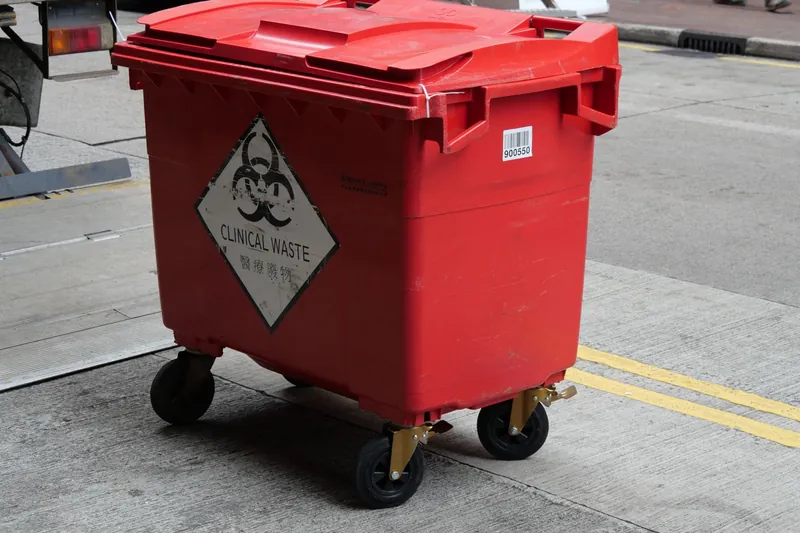
Medical Waste Removal
Medical waste removal covers disposal through an approved facility used for treatment.
See medical waste removalGet discarded needles, syringes and related sharps removed from a yard, rental, park, alley or commercial property in Hilliard. Keep people and pets away until the affected area has been searched and cleared.
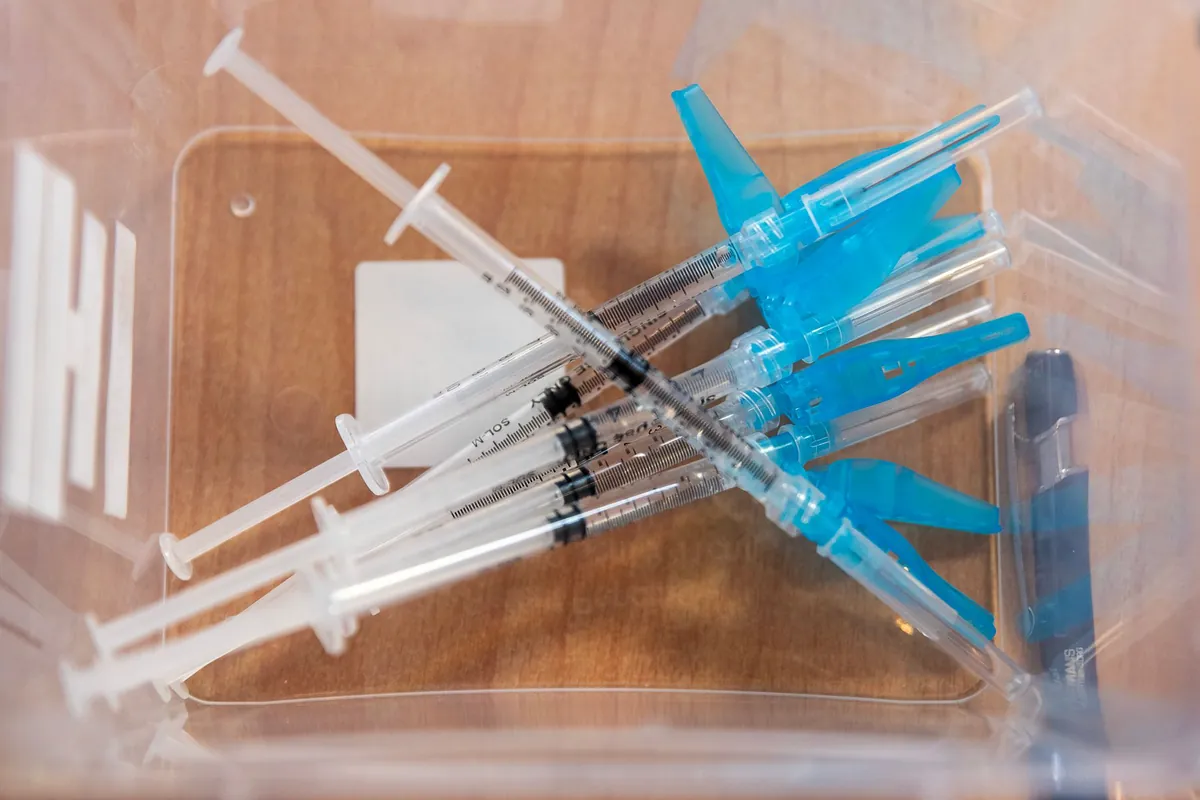
A sharps cleanup safely searches for, picks up and contains abandoned syringes, other needles, lancets, razor blades and additional sharp objects. Disposal then takes place under the relevant rules for that type of waste.
One clearly seen syringe may define the job, while a bigger affected space may need an organized sweep. Grass and mulch are checked along with planters, empty units, stairs, fence lines, garbage areas, and the spaces under debris or furniture. A pickup implement such as tongs creates distance between each sharp point and the technician's hands. Rather than entering a loose sack, every object is put straight into a hard, puncture-resistant sharps container.
Discarded needle removal is often part of property cleanup after trespassing, illegal drug use, a tenant move-out or an encampment closure. In this kind of biohazard remediation, the entire process may also include drug paraphernalia, small spots of bodily fluids and contaminated materials found beside the sharps. Those materials are separated, packaged and cleaned according to what they are, not swept together as ordinary litter.
Technicians methodically inspect belongings and keep items that can stay apart from waste and contaminated materials.
You can reach someone during the day or night, and crews may use unmarked vehicles to preserve privacy at businesses, rentals and residences.
Property owners, managers and insurance companies can use photos, job notes and available waste records to understand the cleanup performed.
Before the cleanup process starts, the plan identifies search areas, items that might be moved and factors that shape cost.
Cleanup becomes necessary if a sharp presents a puncture risk during routine cleaning, upkeep or use of the property. Because sites and circumstances differ, the area searched needs to reflect both the discovery and the way people use that location. Examples include:
Sharps can be concealed inside tents, loose refuse, plants or bedding, so avoid lifting or pressing the debris before an inspection.
Syringes found with pipes, foil, glass or unknown residue require care because several physical and contamination hazards may be present together.
A syringe concealed in mulch or grass, near a fence or inside an alley creates a step-on risk during regular property upkeep.
Keep cleaners, contractors and future occupants out until needles in the unit, shared space, furniture or rubbish have been collected under controlled conditions.
Begin by making sure nobody can touch the sharp. The following measured steps protect you while preserving the site so a complete sweep can be performed:
Call (888) 440-9227No separate needle and sharps cleanup range appears in published pricing guides. For comparison, general biohazard work is listed at $3,000 to $5,000 per job, and medical waste disposal is $2 to $20 per pound. These figures are contextual, not a quote for sharps service. Disposal requirements, item count, locations and search area determine your price.
Published national cost guides are the source for these ranges, rather than an inspection of your property. After an on-site assessment, the price for your property is determined and shared with you before cleanup begins.
Ask about cost: (888) 440-9227Your policy terms, where the needles were discovered and why they are present all affect coverage. If the situation can safely wait, ask your insurance company about it prior to beginning work.
Property insurance may apply if the sharps resulted from covered trespassing, vandalism or some other event included by the policy. Share clear incident details and photos with the insurance adjuster.
Payment responsibility depends on the lease terms, applicable local rules and what caused the problem. If property owners or managers oversee the unit, they should document it before collecting abandoned sharps.
Ask the insurer whether coverage applies, prior cleanup authorization is required and the claim needs specific service notes, waste documents or photos to move forward.
Ask about available state assistance when abandoned needles relate to a crime that was reported. Homeowners or renters insurance, the estate or the property owner usually pays for this kind of cleanup. The Florida crime victim compensation program helps only when a crime caused the loss.
Every property shapes the amount of work required, but the sequence stays clear. Needle cleanup controls access, searches deliberately, collects items safely and concludes by visually checking the area again.
To set the affected area's limits, cleanup technicians examine the surfaces, known locations and recent activity at the property.
Access is limited while technicians use protective equipment suited to puncture and contamination risks. Technicians start from an unobstructed edge.
The search moves systematically through separate zones, such as floor margins, planters, bedding, vegetation, furniture and rubbish locations where items may hide.
Every sharp in view is collected using a pickup device such as tongs. No one breaks, bends or recaps it, and it never travels loose.
A closable container built to resist punctures receives every needle, syringe and comparable item as soon as it is collected.
Compatible surfaces receive an EPA-registered disinfectant for its label's entire contact time after nearby bodily fluids and other hazardous materials are removed.
Sealed containers follow the disposal path that applies to the location and material, while available waste and service documentation stays together.
Technicians tell you what they collected and note areas beyond reach after repeating the visual inspection and before the site reopens.
Phone any hour. A needle and sharps cleanup specialist answers, explains the steps and agrees a start time with you.
A sharp can cause a cut or puncture and may have contaminated material attached, which is the primary danger. Treating every abandoned item as hazardous is important. When the search must cover a wider space, serious health risks may call for a systematic search by cleanup technicians.
Loose sharps can break through standard trash bags, putting anyone who moves, sorts or carries them at risk of injury. A rigid sharps container helps prevent punctures during waste disposal.
Needles left behind can be difficult to see beneath bedding, foliage, cushions, trash, long grass or spaces between floorboards. Finding one item is a reason to inspect the surrounding areas before normal activity resumes.
Needles found where pets, occupants, children or customers gather can cause understandable concern. Closing the location and planning a careful search gives you a practical way forward.
Can you clean it yourself? When you discover one sharp, never use uncovered or gloved hands to touch it. Keep people away and follow local sharps guidance or request professional cleanup. After a puncture, clean the spot using soap and water, then ask a medical professional for exposure advice without delay.
Puncture-resistant containers hold the collected sharps. When nearby surfaces show contamination, they are cleaned. Regular property can remain when technicians are able to inspect it and determine that retaining it is safe.
A single visible item can take less time than a broad property sweep, but no fixed duration fits every site. Hidden sharps, dense debris and difficult access extend the work.
| Scene | Typical time on site |
|---|---|
| One known needle in a clear location | Limited visit when the disposal route and site access are clear |
| Several areas or a rental unit | An extended inspection shaped by room count, hidden spots and furnishings |
| Large outdoor or debris-filled site | Extended sweep, sometimes coordinated with debris removal |
By themselves, syringes and needles generally cause neither persistent smells nor problems with air quality. Odor work is appropriate only if a pronounced smell indicates another source, such as spoiled matter, bodily fluid or nearby refuse. That source needs to be located and taken away, not hidden beneath fragrance.
While searching for sharps, cleanup technicians may also evaluate nearby spaces. Any related contaminated items are removed or packaged before compatible hard surfaces undergo cleaning and disinfection. Treatment of the air is appropriate only if the identified source and the materials it affected make that step necessary.
The full needle and sharps cleanup guide covers what is cleaned or removed, odor and air quality work, and the rules that apply in Florida and Nassau County.
Read the full needle and sharps cleanup guidePlanning for access, containment and cleanup can depend on local population, housing and entry conditions.
At 41.5% renter occupancy, cleanup needs vary between leased units and owner occupied homes, especially around authorization for demolition.
A median build year of 1983 means fluids can pass through carpet or seams and affect padding or subfloor below.
There are 103 seniors living alone locally, so cleanup communication should be calm, clear, and accessible to distant family members.
The 61.0% single-family share means access and odor control can differ greatly from one local property to another.
Ask on the call about cleanup options for neighboring communities and ZIP codes.
Medical waste removal covers disposal through an approved facility used for treatment.
See medical waste removal
Biohazard waste pickup and disposal in sealed, labeled containers.
See biohazard waste disposal
Rental spaces and properties are cleared of needles, pipes and residue from drugs.
See drug paraphernalia cleanup
Homeless encampment cleanup of needles, waste and contaminated debris.
See homeless encampment cleanup
Biohazard cleanup for hotels, Airbnb units and rental properties.
See hotel, airbnb and rental biohazard cleanup
Commercial and industrial biohazard cleanup planned around site access and operating needs.
See commercial and industrial biohazard cleanup
During cleanup, blood exposure involving hepatitis C, HIV and hepatitis B is controlled.
See bloodborne pathogen cleanup
Any property receives disinfection after removal of infectious materials, including bodily fluids and blood.
See biohazard cleanupNot always, but the surroundings should be considered. Finding one item in an uncluttered controlled interior is unlike discovering it inside a trash heap, tall vegetation, bedding or shared stairs. The affected area depends partly on what recently happened there and where sharps could hide. You can ask the technician to explain the proposed search boundary.
Yes, sometimes. Describe visible pipes, tiny bags, glass fragments, foil and unknown residue to the cleanup service when you ask for help. Because these materials can carry distinct risks from contact or contamination, evaluate them apart from the sharps. Your service scope should clarify if work stops with sharps or extends to associated paraphernalia, surrounding residue and additional hazardous waste.
Use soap and water on the wound and quickly seek advice from a clinician. Your clinician can assess the exposure, then describe possible testing and next steps. Do not squeeze the wound aggressively or try to inspect the needle by hand. If the sharp remains at the site, keep others away and arrange safe collection.
Keep any loose syringe out of regular trash containers and bags. The sharp can break through a garbage bag, causing injury to cleaners, occupants or waste staff. Place sharps in a hard container designed to resist punctures, then use the disposal method required for the waste type and location. Instructions for residential sharps may not match local requirements governing cleanup or commercial waste.
Prevent pets, guests and children from entering the space. Do not mow, rake or reach into nearby grass or mulch. Mark the location from a safe distance and arrange pickup. Ask if the nearby yard needs an orderly search rather than collection of only the item in view, since additional sharps could be concealed there.
A trained cleanup technician controls access, wears suitable protective equipment and uses tongs or another pickup tool instead of hands. Technicians place the syringe immediately inside a hard container designed to resist punctures. It is not bent, broken or recapped. The area is then checked again for items hidden in debris, vegetation, furniture or floor edges.
Crews carry out respectful, discreet needle and sharps cleanup, arrive in unmarked vehicles and take calls 24 hours a day.